
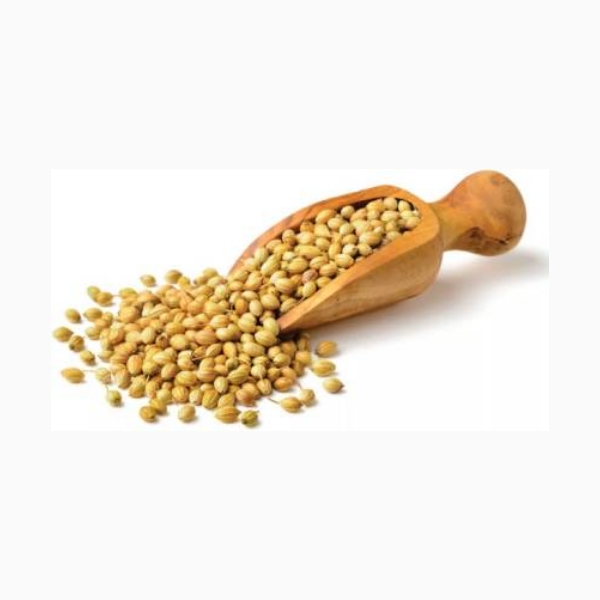
Coriander, popularly known as dhania in India, is extensively used across various regional cuisines to flavour curries, stir fries, snacks etc. Coriander is one of the oldest of herbs and spices. The fruit of the coriander plant contains two seeds which, when dried, are the portions used as the dried spice. when ripe, the seeds are yellowish-brown or tan in colour with longitudinal ridges. Coriander seeds are available throughout the year, in whole or in ground powder form.In Ayurveda, it is often recommended for stomach related ailments, as it is known to ease digestion.
Coriander seed
Coriander, popularly known as dhania in India, is extensively used across various regional cuisines to flavour curries, stir fries, snacks etc. Coriander is one of the oldest of herbs and spices. The fruit of the coriander plant contains two seeds which, when dried, are the portions used as the dried spice. when ripe, the seeds are yellowish-brown or tan in colour with longitudinal ridges. Coriander seeds are available throughout the year, in whole or in ground powder form.In Ayurveda, it is often recommended for stomach related ailments, as it is known to ease digestion.
Related products
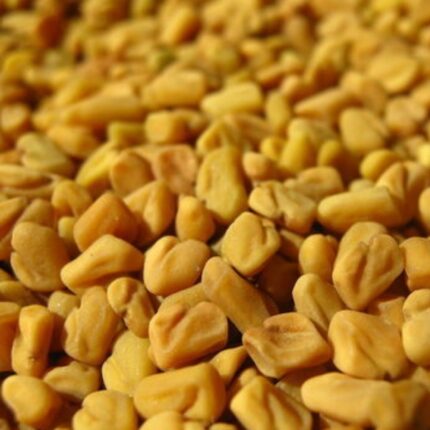
Fenugreek seeds
Fenugreek (Trigonella foenum-graecum) is an herb similar to clover. People use its fresh and dried seeds, leaves, twigs, and roots as a spice, flavoring agent, and supplement. The seeds taste similar to maple syrup and are used in foods and medicine. Fenugreek is native to the Mediterranean, Europe, and Asia. Fenugreek seems to slow sugar absorption in the stomach and stimulate insulin. Both of these effects lower blood sugar in people with diabetes.
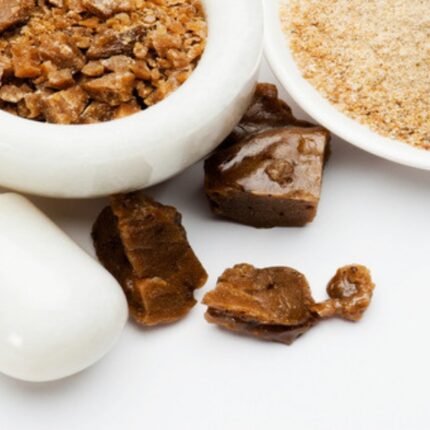
Asafoetida
Asafoetida (Ferula asafoetida) is the dried sap or gum resin obtained from the roots of Ferula plants. It’s commonly dried, ground into a coarse, yellow powder, and used for either culinary or medicinal purposes. Asafoetida is commonly used in Indian cuisine, where it’s referred to as "HING". In Ayurvedic medicine, hing is used to aid digestion and gas, as well as treat bronchitis and kidney stones.
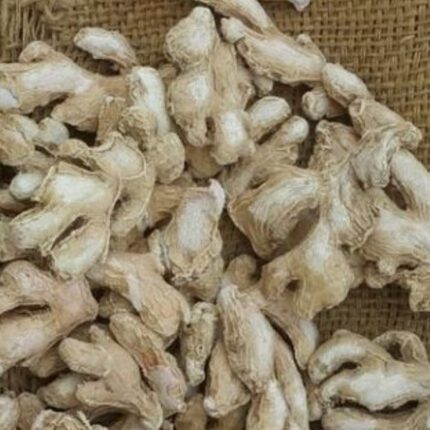
Dry ginger
It’s among the healthiest (and most delicious) spices on the planet. It belongs to the Zingiberaceae family, and it’s closely related to turmeric, cardamom, and galangal. The rhizome (underground part of the stem) is the part commonly used as a spice. It’s often called ginger root or, simply, ginger. Ginger can be used fresh, dried, powdered, or as an oil or juice. It’s a very common ingredient in recipes. It’s sometimes added to processed foods and cosmetics. "SAUNTH" is dry ginger powder that is usually consumed in form of kadha or churan.
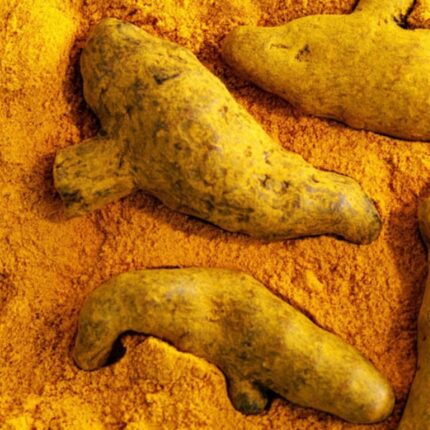
Turmeric
Turmeric is one of the many Indian spices that have been a part of various traditional cuisines over centuries. Ayurveda has regarded Haldi or Turmeric as one of the most beneficial roots in nature.Turmeric is originally a ginger-like rhizome and is widely used in Indian households not just to give that beautiful, golden colour to food but also to increase the nutrient and medicinal value of what we eat. It is rich in antioxidants and curcumin that increase the body’s immunity and kick out the disease, along with various other advantages like improving brain and heart function and possible treatment for cancer-causing cells.
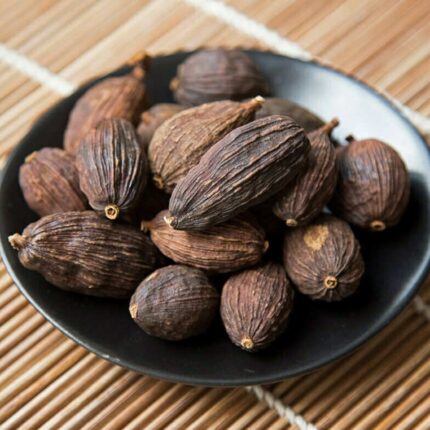
Black Cardamom
Black cardamom is a popular Indian spice, called badi elaichi or kali elaichi, that is used in many of the cuisine's signature dishes. It is in the form of seed pods, which are dark brown to black in color and take on a smokey flavor due to the way they are dried. Black cardamoms help stimulate gastric and intestinal glands. They help secrete stomach juices that promote digestion. This further prevents conditions like gastric ulcers, acidity. The presence of vitamin C, an essential antioxidant, helps improve blood circulation throughout the body.
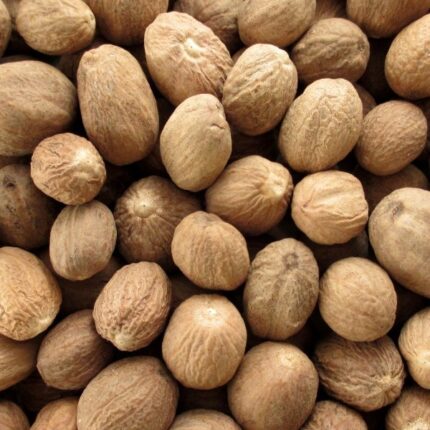
Nutmeg
Nutmeg (Myristica fragrans Houtt.) is a spice seed that belongs to the family Myristicaceae. Nutmeg is the shelled, dried seed of the plant Myristica fragrans, and mace is the dried net-like covering of the shell of the seed. Nutmeg and its close relative, mace, have been used extensively in folk medicine for a wide range of ailments, including digestive disorders, rheumatism, cholera, and flatulence.
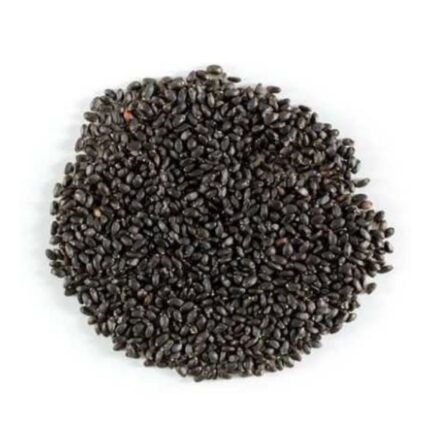
Basil seeds
Basil seeds aren’t just for growing basil plants — you can also eat them.They look similar to sesame seeds but are black. The type that you eat typically comes from sweet basil, Ocimum basilicum, which is the plant commonly used to season foods. For this reason, the seeds are typically referred to as sweet basil seeds. They also go by many other names, including sabja and tukmaria seeds.helping with weight management, and helping prevent diseases such as cardiovascular disease and certain cancers. Although promising, current research is scarce and in its early stages.
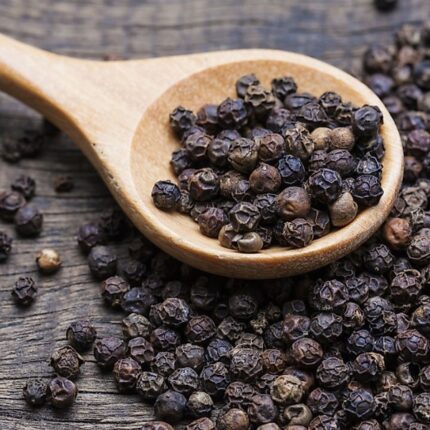
Black pepper
Black pepper is one of the most commonly used spices worldwide.It’s made by grinding peppercorns, which are dried berries from the vine Piper nigrum. It has a sharp and mildly spicy flavor that goes well with many dishes. But black pepper is more than just a kitchen staple. It has been deemed the “king of spices”and used in ancient Ayurvedic medicine for thousands of years
Reviews
There are no reviews yet.