
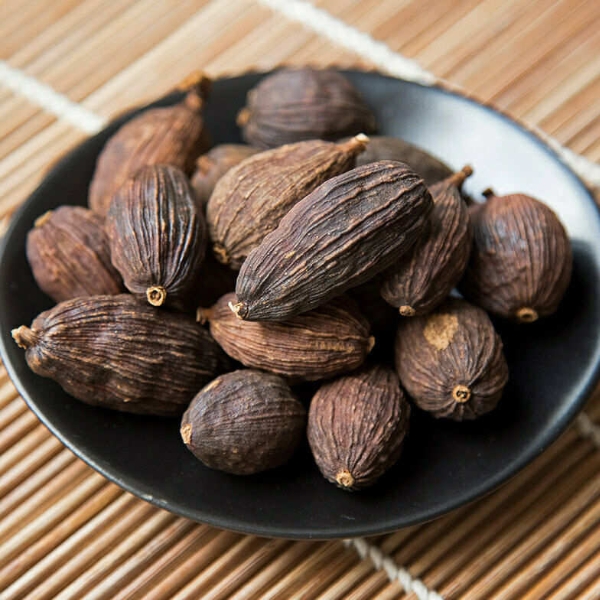
Black cardamom is a popular Indian spice, called badi elaichi or kali elaichi, that is used in many of the cuisine’s signature dishes. It is in the form of seed pods, which are dark brown to black in color and take on a smokey flavor due to the way they are dried. Black cardamoms help stimulate gastric and intestinal glands. They help secrete stomach juices that promote digestion. This further prevents conditions like gastric ulcers, acidity. The presence of vitamin C, an essential antioxidant, helps improve blood circulation throughout the body.
Black Cardamom
Black cardamom is a popular Indian spice, called badi elaichi or kali elaichi, that is used in many of the cuisine’s signature dishes. It is in the form of seed pods, which are dark brown to black in color and take on a smokey flavor due to the way they are dried. Black cardamoms help stimulate gastric and intestinal glands. They help secrete stomach juices that promote digestion. This further prevents conditions like gastric ulcers, acidity. The presence of vitamin C, an essential antioxidant, helps improve blood circulation throughout the body.
Related products
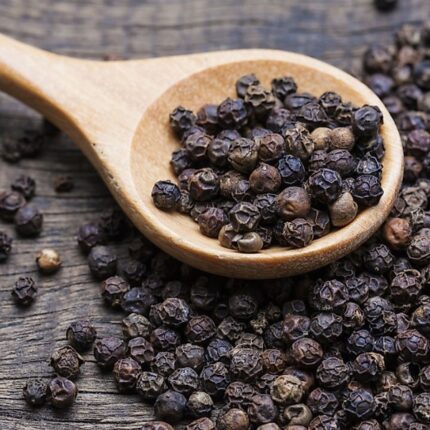
Black pepper
Black pepper is one of the most commonly used spices worldwide.It’s made by grinding peppercorns, which are dried berries from the vine Piper nigrum. It has a sharp and mildly spicy flavor that goes well with many dishes. But black pepper is more than just a kitchen staple. It has been deemed the “king of spices”and used in ancient Ayurvedic medicine for thousands of years
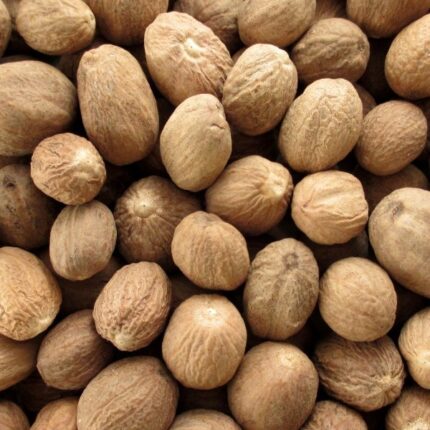
Nutmeg
Nutmeg (Myristica fragrans Houtt.) is a spice seed that belongs to the family Myristicaceae. Nutmeg is the shelled, dried seed of the plant Myristica fragrans, and mace is the dried net-like covering of the shell of the seed. Nutmeg and its close relative, mace, have been used extensively in folk medicine for a wide range of ailments, including digestive disorders, rheumatism, cholera, and flatulence.
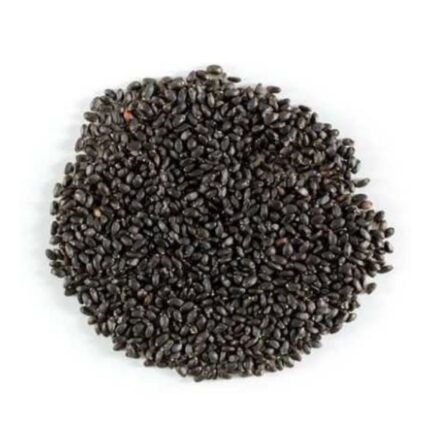
Basil seeds
Basil seeds aren’t just for growing basil plants — you can also eat them.They look similar to sesame seeds but are black. The type that you eat typically comes from sweet basil, Ocimum basilicum, which is the plant commonly used to season foods. For this reason, the seeds are typically referred to as sweet basil seeds. They also go by many other names, including sabja and tukmaria seeds.helping with weight management, and helping prevent diseases such as cardiovascular disease and certain cancers. Although promising, current research is scarce and in its early stages.
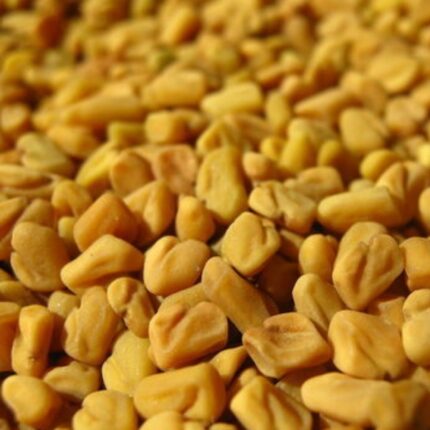
Fenugreek seeds
Fenugreek (Trigonella foenum-graecum) is an herb similar to clover. People use its fresh and dried seeds, leaves, twigs, and roots as a spice, flavoring agent, and supplement. The seeds taste similar to maple syrup and are used in foods and medicine. Fenugreek is native to the Mediterranean, Europe, and Asia. Fenugreek seems to slow sugar absorption in the stomach and stimulate insulin. Both of these effects lower blood sugar in people with diabetes.
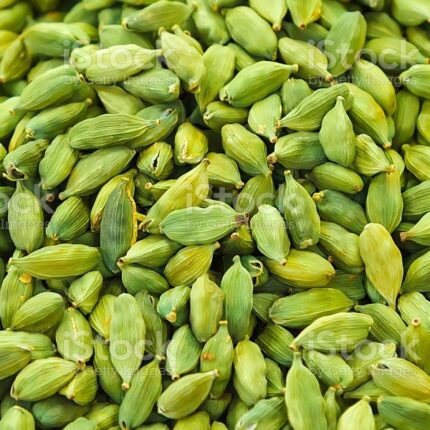
Green Cardamom
Green cardamom is a aromatic spice with a very wide range of uses. The plant has underground stems with leafy roots, large white or pale green leaves, pale green fruits and black seeds. The spice has a very warm aroma and pungent taste which it can retain for a very long time. Helps in reducing gas, countering acidity and is considered good for asthma patients. It can also increase appetite and be used as a mouth freshener
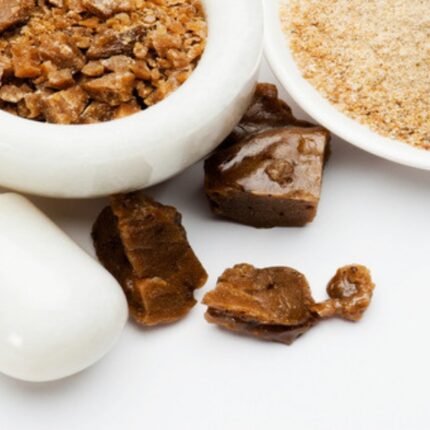
Asafoetida
Asafoetida (Ferula asafoetida) is the dried sap or gum resin obtained from the roots of Ferula plants. It’s commonly dried, ground into a coarse, yellow powder, and used for either culinary or medicinal purposes. Asafoetida is commonly used in Indian cuisine, where it’s referred to as "HING". In Ayurvedic medicine, hing is used to aid digestion and gas, as well as treat bronchitis and kidney stones.
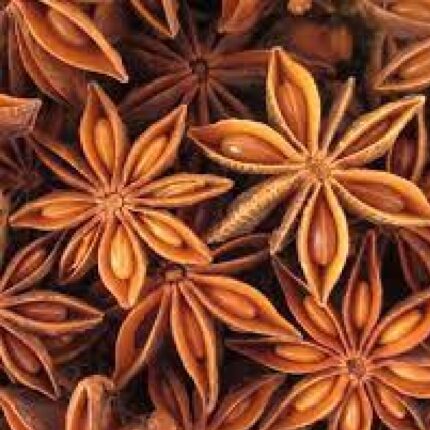
Star anise
Star anise is a spice made from the fruit of the Chinese evergreen tree Illicium verum. It’s aptly named for the star-shaped pods from which the spice seeds are harvested and has a flavor that is reminiscent of licorice. Because of similarities in their flavor and names, star anise is often confused with anise, though the two spices are unrelated. Star anise is famed not only for its distinct flavor and culinary applications but also for its medicinal benefits.
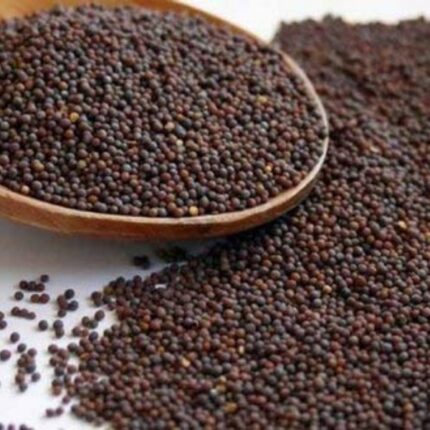
Black mustard
Mustard seeds are the small round seeds of various mustard plants. The seeds are usually about 1 to 2 millimetres (0.039 to 0.079 in) in diameter and may be colored from yellowish white to black. Mustard is a multi-faceted botanical with several different varieties. Three variants out of these varieties – namely white mustard (Brassica alba,) black mustard (Brassica nigra), and brown mustard (Brassica juncea), have gained more popularity over others, and are commercially grown and used for their young flower stalks, leaves, and seeds. The seed and oil from the seed are used to make medicine.Black mustard oil is used for the common cold, painful joints and muscles (rheumatism), and arthritis. Black mustard seed is used for causing vomiting, relieving water retention (edema) by increasing urine production, and increasing appetite.
Reviews
There are no reviews yet.